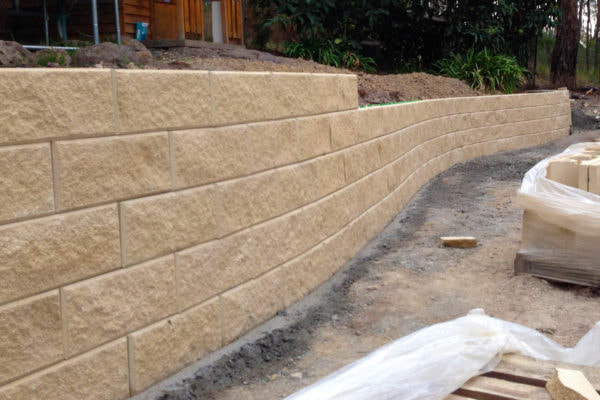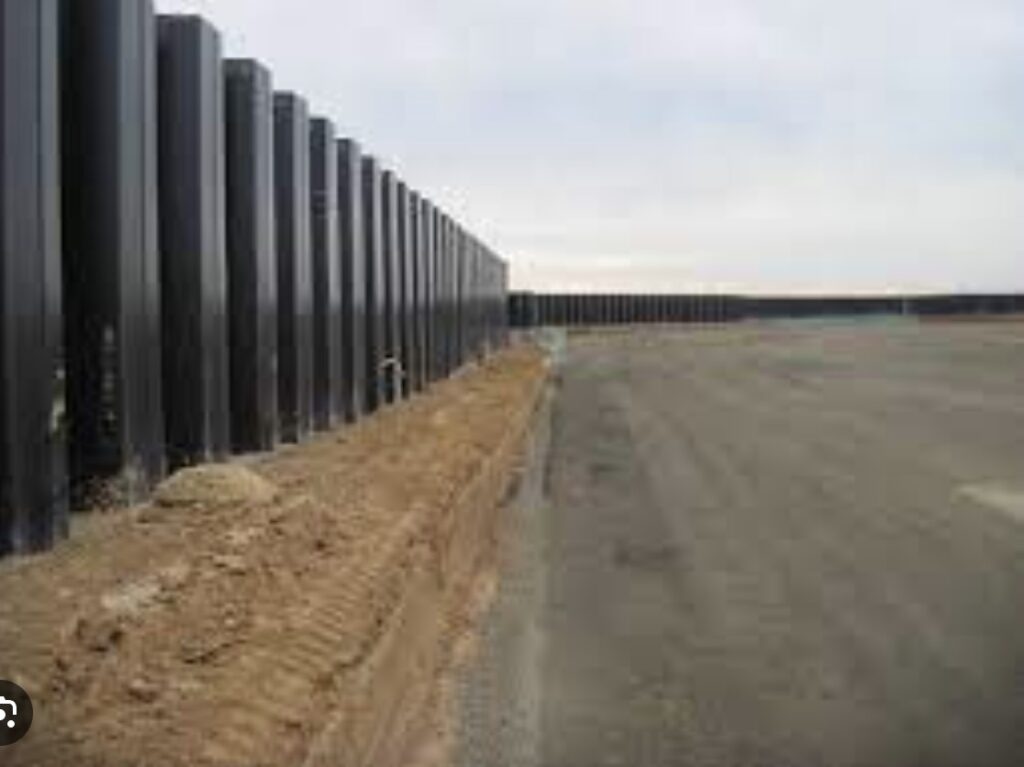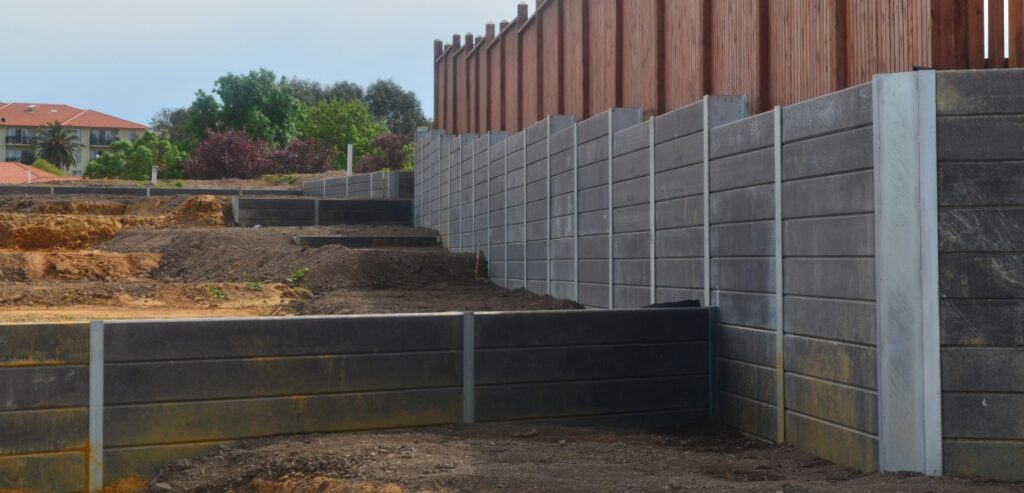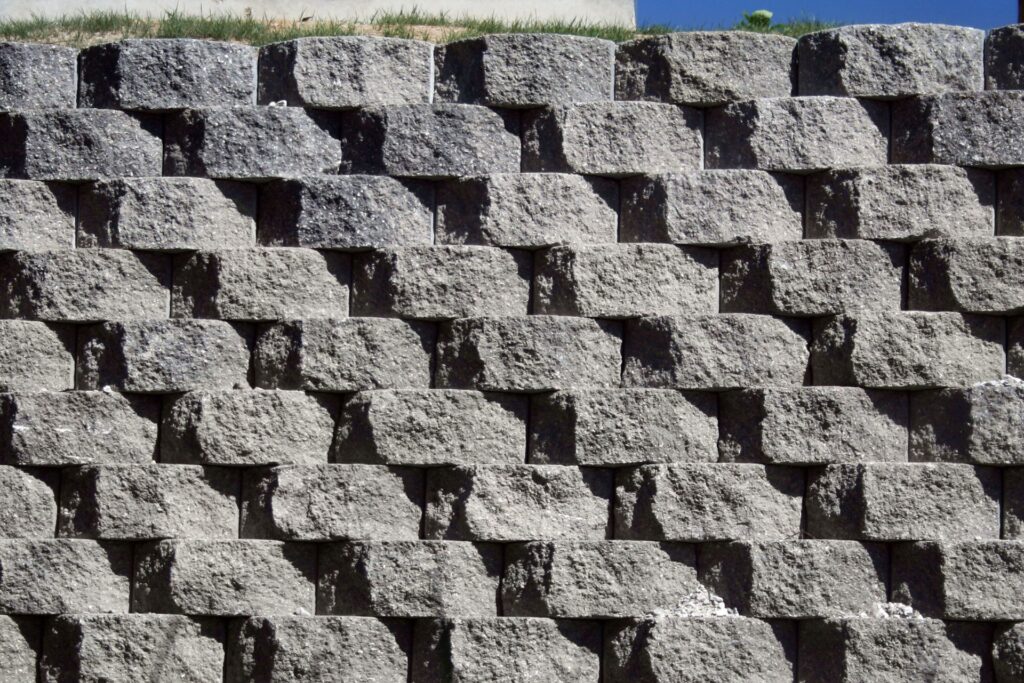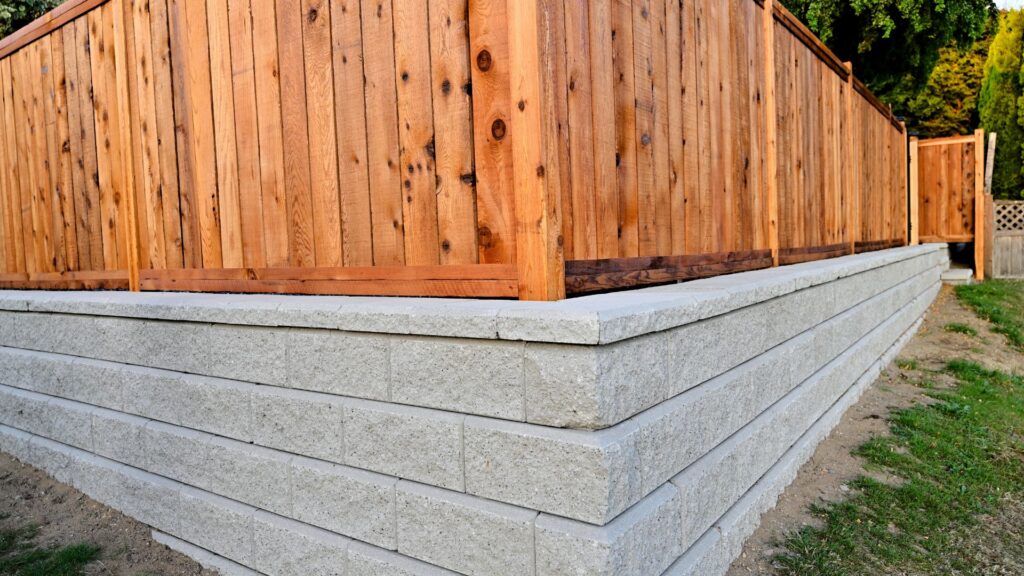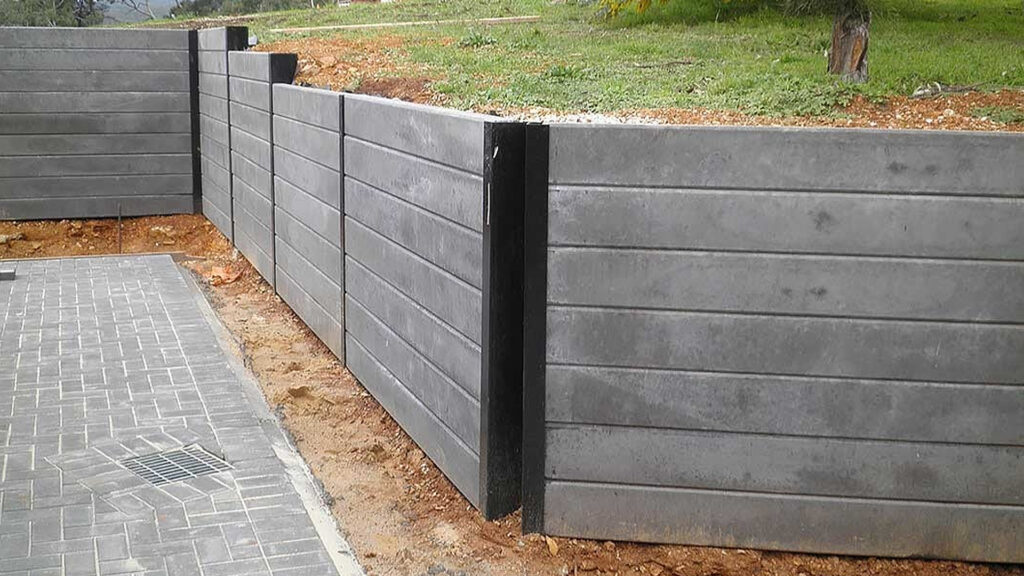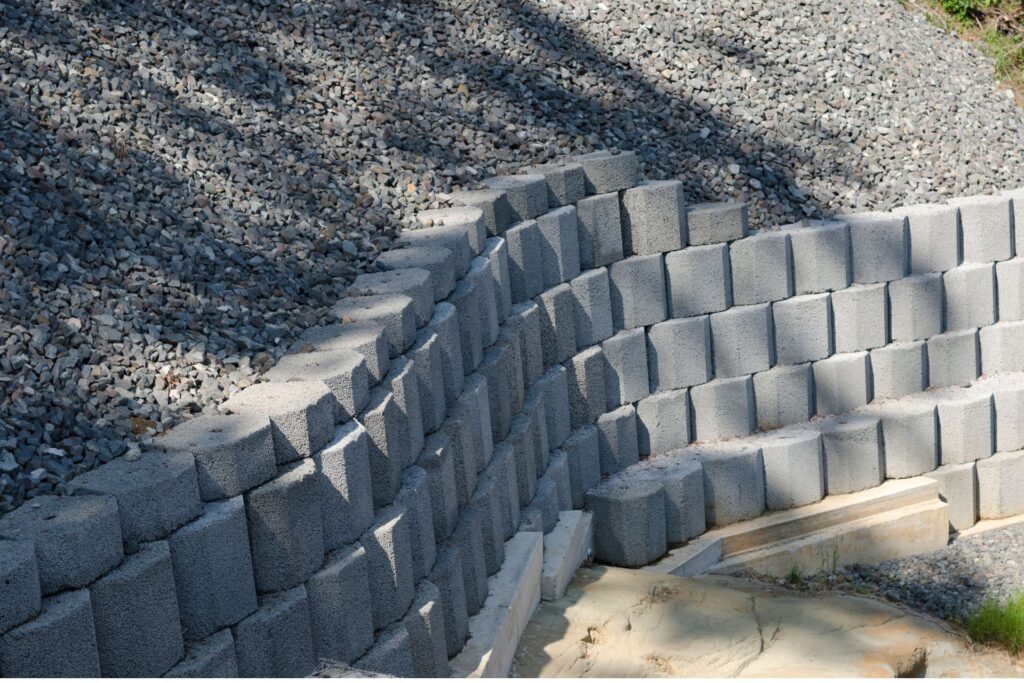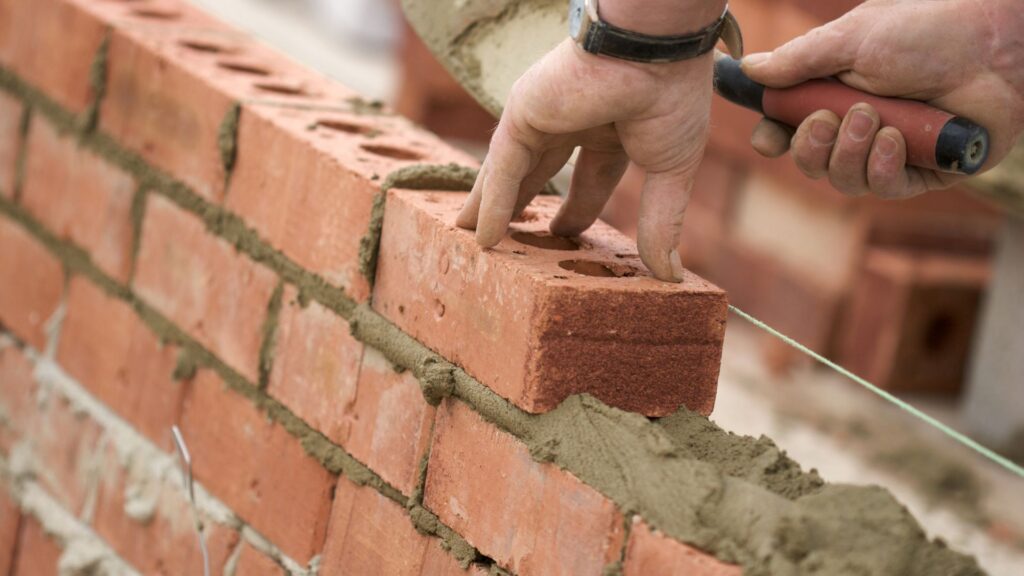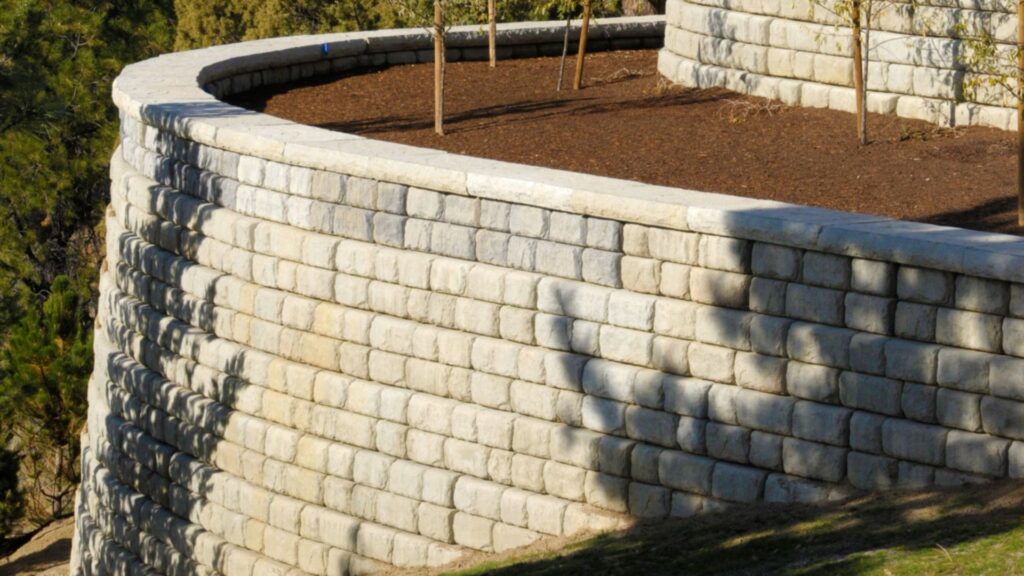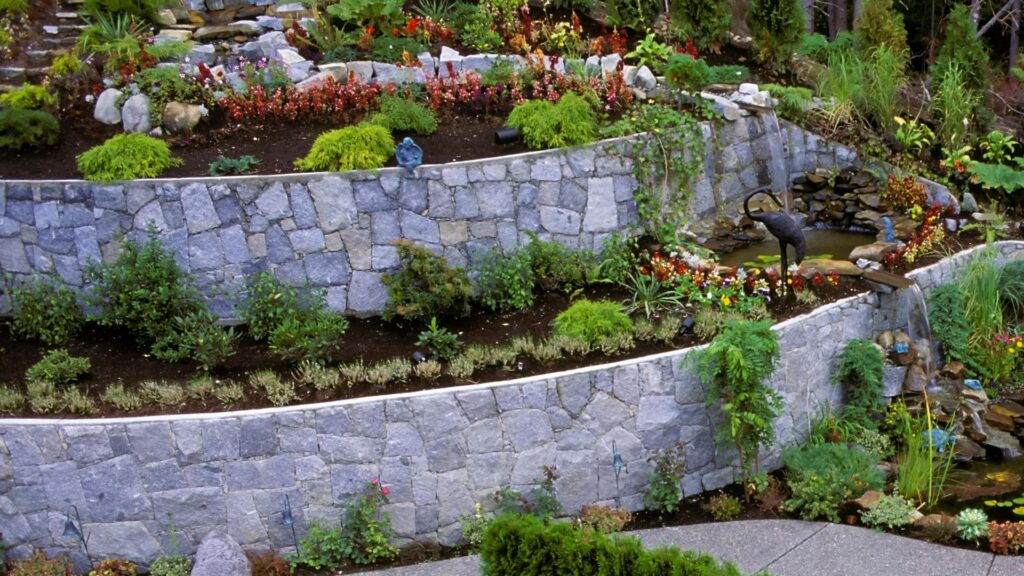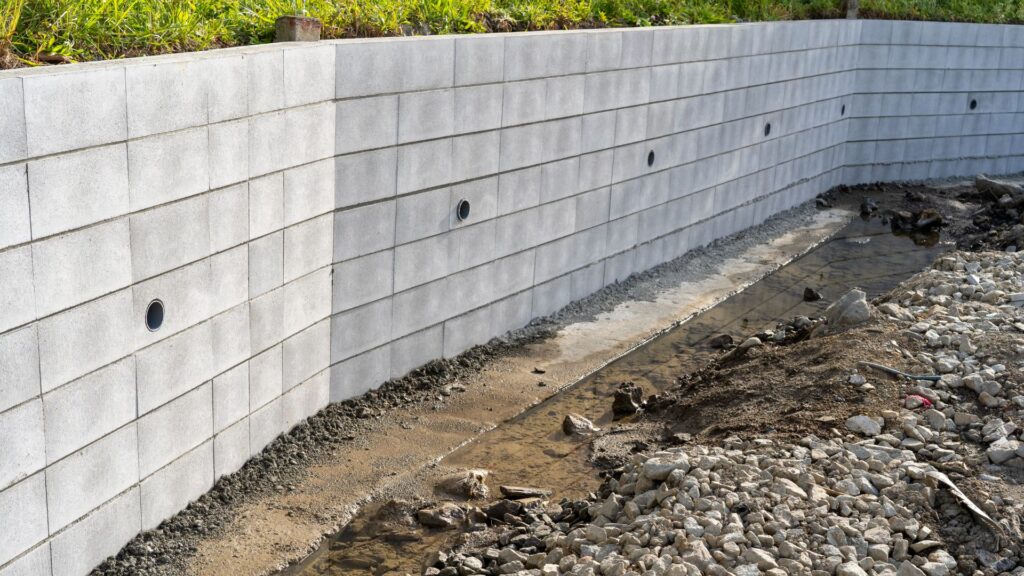
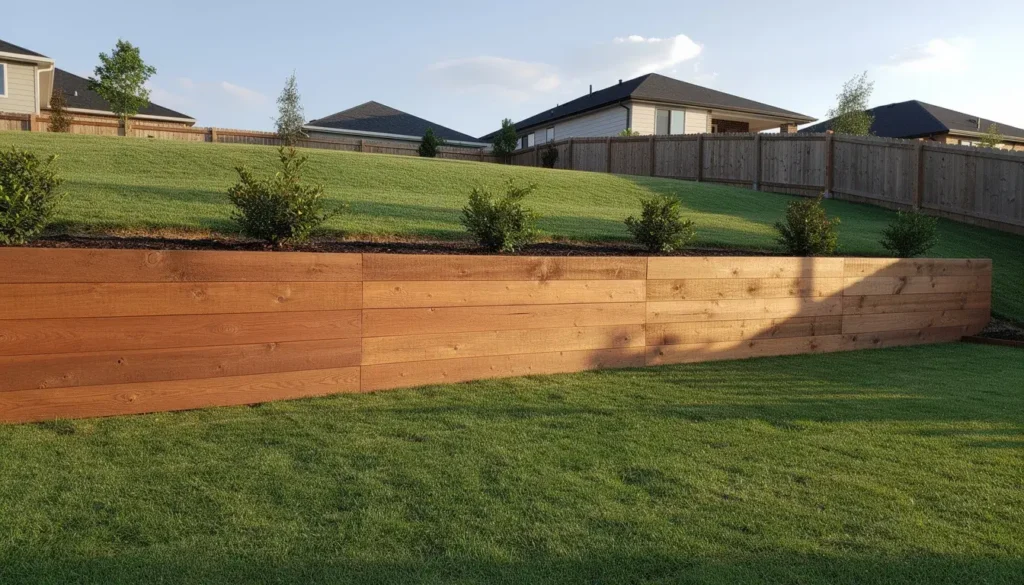
Welcome to our comprehensive guide on retaining walls in Auckland! Whether you’re planning a small DIY project or a larger construction, we’re here to help you understand the important rules, height limits, and consent requirements. Our goal is to provide clear, practical information so you can confidently build a retaining wall that is safe, compliant, and enhances your outdoor space. Let’s get started on making your retaining wall project a success!
Planning a retaining wall project in Auckland? Before you start moving earth, you need to know where the line sits between a straightforward DIY project and one that requires council paperwork. Getting this wrong can mean costly repairs, compliance notices, or even demolition orders. This guide breaks down exactly what Auckland homeowners need to know about retaining wall height limits, consent triggers, and how to keep your project legally compliant.
Table of Contents
Key Takeaways
- In Auckland, you can generally build a retaining wall up to 1.5 metres high without building consent, provided it carries no surcharge (such as vehicle driveways parking spaces, buildings, or other additional loads) and meets Building Code requirements.
- If your wall retains more than 1.5 metres of ground, supports heavy loads above, or sits in a high-risk location, Auckland Council building consent is typically required.
- Even consent-exempt walls must comply with the New Zealand Building Code, and a safety barrier is required if there is a fall of 1.0 metres or more from the top of the retained ground.
- Resource consent under the Auckland Unitary Plan may be triggered separately from building consent, especially near boundaries, streams, or coastal margins.
- Always confirm details directly with your local council before building, and seek professional advice for anything close to 1.5 metres or on sloping, unstable soil conditions.
How High Can You Build a Retaining Wall in Auckland Without Council Approval?
The short answer: in Auckland, you can typically build a retaining wall up to 1.5 metres high without needing building consent from Auckland Council, as long as the wall carries no surcharge and meets the requirements of the Building Code.
This threshold comes from the Building Act 2004 and Schedule 1 exemptions that Auckland Council applies. Under these rules, retaining walls measuring 1.5 metres or less in height—where height means the depth of retained ground—are generally exempt from the consent process. But there is a critical condition: the wall must not support any additional load beyond the soil it is holding back.
How Wall Height Is Measured
Understanding how to measure your proposed retaining wall correctly is a critical step that many homeowners get wrong. The measurement is taken vertically from the bottom of the wall’s foundation (or the lowest excavated level) to the highest point of retained ground level behind the wall.
This is not the same as measuring the exposed face of the wall from the front. If your wall sits on a sloped section where ground level varies, the height is calculated at the tallest point of retained soil.
What “No Surcharge” Actually Means
The term “surcharge” refers to any load additional to the weight of the retained soil itself. Common surcharges include:
- Driveways or car parking areas behind or above the wall
- Building foundations or structures
- Swimming pools buildings positioned above the wall
- Heavy equipment or stored materials
- Significant uphill slopes immediately behind the wall
If any of these apply to your situation, even a wall under 1.5 metres may require building consent. The soil pressure against the wall increases significantly when surcharge loads are present, which is why council oversight becomes necessary.
For example, a 1.2 metre timber retaining wall on a flat backyard with proper drainage and no structures above it would typically be consent-free. The same wall with a driveway running 0.5 metres behind it would usually require consent because of the vehicle load.
Site-Specific Conditions
While the 1.5 metre rule applies broadly, property-specific conditions can change what Auckland Council requires. Sites with known flood risk, unstable slopes, proximity to buried services, or volcanic soil instability may face stricter requirements. Always check your specific property details before assuming your wall falls into the consent-free category.
When You Do Need Building Consent for a Retaining Wall in Auckland
Many retaining walls in suburban Auckland will need consent, particularly once the design moves beyond the 1.5 metre threshold or involves extra loads. Understanding these triggers helps you plan your retaining wall project correctly from the start.
Building consent from Auckland Council is typically required in these situations:
- Walls retaining more than 1.5 metres of ground at any point along their length
- Any wall supporting surcharge loads such as driveways, vehicle parking spaces, buildings, or other structures above
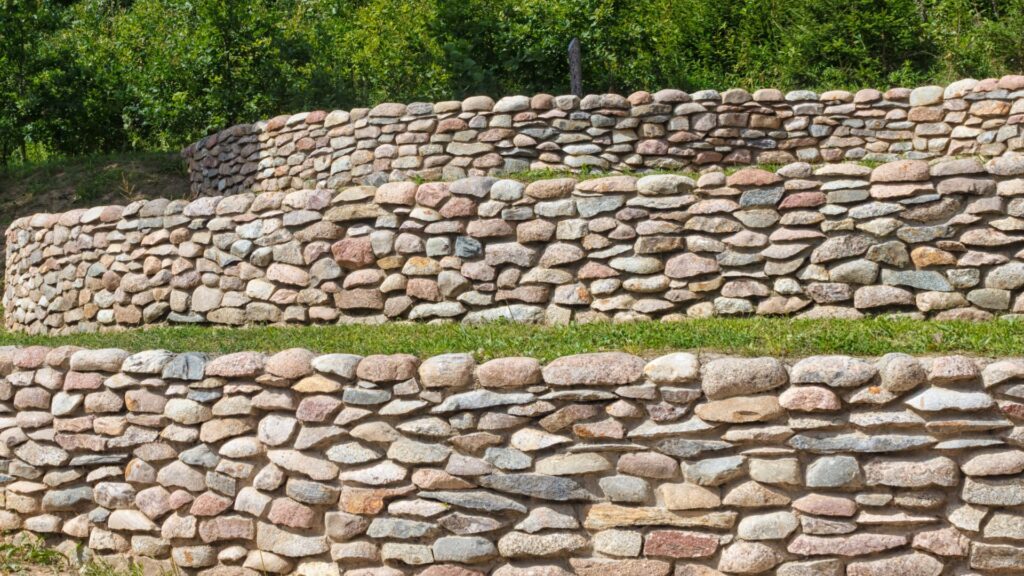
- Tiered or terraced walls that together retain more than 1.5 metres of ground, or are spaced too closely to be treated as structurally independent
- Walls on or near public land, public roads, or over buried utility services
- Walls in high-risk geotechnical areas such as liquefaction zones, which affect approximately 30% of Auckland properties
Tiered Walls and Combined Effects
A common approach on sloped areas is to build multiple lower walls in a stepped arrangement rather than one tall wall. However, Auckland Council may treat closely spaced tiered walls as a single system. If the combined effect retains more than 1.5 metres of ground—or if the walls are positioned within about one to two times their height of each other—consent may still be required.
Even if one section of a wall is under 1.5 metres, consent may be needed if another section exceeds the limit or if combined effects increase the overall risk of structural failure.
Example Scenario
Consider a homeowner who wants to build a 1.2 metre concrete block wall to create a level outdoor space behind their house. On paper, this looks consent-exempt. But if a driveway runs along the top of the wall, the vehicle load creates a surcharge. In this case, building consent would typically be required, along with detailed plans from a structural engineer to verify the wall can handle the load additional to the retained soil.
Understanding the Rules: Building Code, NZS 3604 and Auckland-Specific Requirements
Consent exemptions do not remove the requirement to meet the New Zealand Building Code and relevant standards. Even when building work does not require consent, the wall must still comply with the Building Code—and in Auckland, local regulations and site conditions add extra considerations.
NZS 3604 and Timber Retaining Walls
NZS 3604:2011, the standard for light timber framed buildings, is commonly used as a reference for simple timber retaining walls up to 1.5 metres. This standard includes design details that assume:
- Stable, competent soil conditions
- Adequate drainage behind the wall
- No surcharge loads
- Standard construction methods and materials
For timber retaining walls that fit these assumptions, NZS 3604 provides a straightforward path to compliance without needing specific engineering input. However, not all retaining walls fit neatly within these parameters.
Building Code Clauses
Auckland Council typically expects walls—even consent-exempt ones—to meet key Building Code clauses:
| Code Clause | Requirement |
|---|---|
| B1 (Structure) | The wall must withstand soil pressures, water runoff, seismic forces, and other loads without collapse |
| B2 (Durability) | Materials must last the intended lifetime (typically 50 years for structural elements) |
| F4 (Safety from Falling) | Barriers required where falls of 1.0 metre or more are possible |
Auckland’s Unique Conditions
Auckland’s geography makes soil stability and drainage requirements more critical than in flatter regions. The city’s mix of volcanic soils, clay prone to shrinkage and swelling, and sandy fills susceptible to soil erosion creates variable conditions across different suburbs.
Heavy rainfall in Auckland amplifies the importance of managing water flow behind walls. Without proper drainage, hydrostatic pressure builds against the wall, dramatically increasing the risk of retaining wall failure.
If your proposed retaining wall does not fit neatly within NZS 3604 assumptions—for example, you are dealing with very soft or clay soil, steep slopes, or unusual materials—professional engineering or geotechnical input is recommended.
Safety Rules: Barriers, Falls and Neighbour Impacts
Safety is a core reason retaining walls are regulated in Auckland, especially on tight urban sites and sloping sections where limited space makes construction more challenging.
Fall Protection Requirements
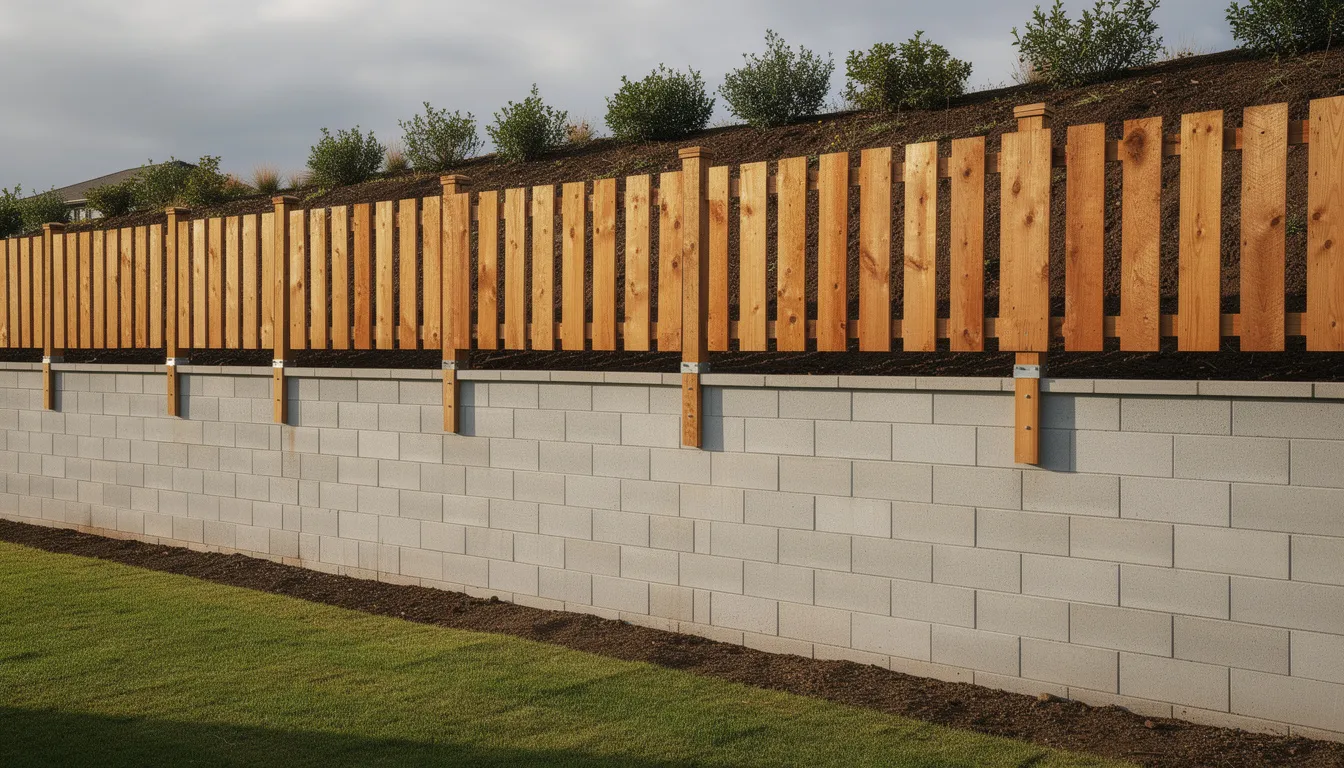
The Building Code clause F4 requires a complying safety barrier or fence when the drop from the top of retained ground to the lower level is 1.0 metre or more. This applies even when the wall itself is consent-exempt.
Safety barriers must generally be:
- At least 1.0 metre high
- Designed so children cannot easily climb through or over them
- Securely fixed and durable
Auckland Council may check barrier compliance during inspections of related building work on your property.
Protecting Neighbouring Properties
Building retaining walls close to property boundaries creates potential for disputes and compliance issues. Key considerations include:
- Do not undermine neighbouring fences, driveways, or footings when excavating for your wall
- Manage surface water so it does not discharge onto neighbouring properties or public land
- Avoid blocking or redirecting overland flow paths that could cause pooling water on adjacent sites
Disputes over unconsented walls causing drainage issues or cracking on neighbouring properties are common in Auckland suburbs. Council can issue compliance notices, and civil claims for damage can exceed $100,000 in serious cases.
Good Practice Tips
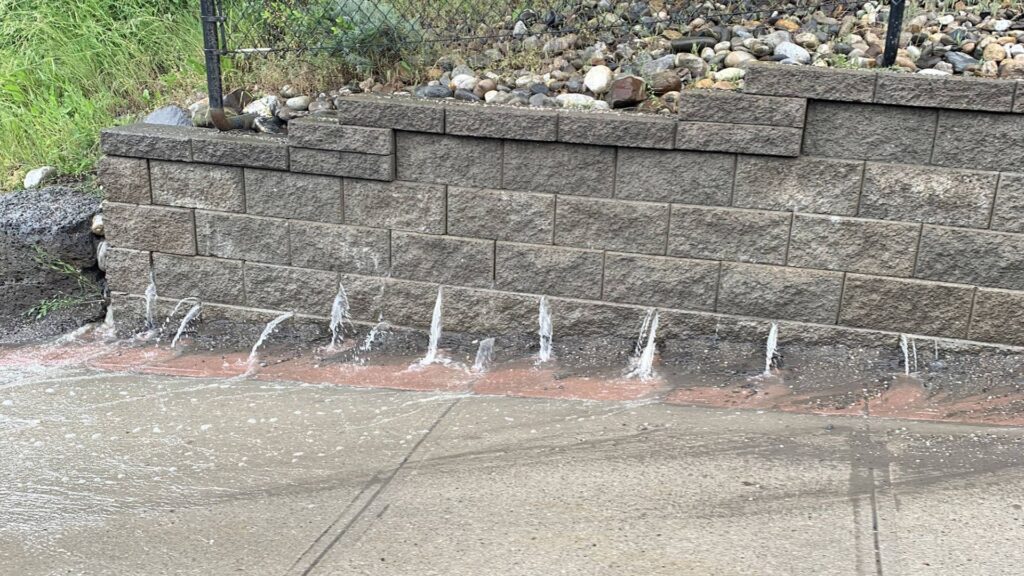
- Design weep holes or drainage outlets to prevent water buildup behind the wall
- Direct drainage away from boundaries and neighbouring land
- Communicate with neighbours early if your wall is on or near a shared boundary
Resource Consent and the Auckland Unitary Plan
Building consent and resource consent are separate processes in Auckland. Some retaining walls may require both, one, or neither depending on the specifics of your site and project.
When Resource Consent May Be Triggered
Resource consent under the Auckland Unitary Plan focuses on environmental impact rather than structural safety. Common situations where resource consent may be required include:
- Building retaining walls in coastal erosion hazard zones or on clifftops
- Works within riparian margins alongside streams, rivers, or lakes
- Modifying overland flow paths or stormwater channels
- Significant earthworks volumes exceeding thresholds for your zone (e.g., residential vs rural zone)
- Sites within flood-prone overlays, heritage areas, or areas of ecological significance
How Resource Consent Differs from Building Consent
While building consent asks whether your wall meets safety standards and construction details, resource consent considers broader questions:
- Will the wall affect soil stability on neighbouring land?
- Does it impact water runoff or drainage patterns?
- Are there visual or environmental impact concerns?
- Does it comply with site coverage and earthworks rules?
Checking Your Site
Before starting earthworks, check whether your property falls within any Auckland Council overlays that might trigger resource consent. You can do this by:
- Using the Auckland Council GIS property viewer online
- Contacting the Council planning team directly
- Consulting with a planning professional familiar with local building codes
Even a consent-exempt retaining wall can become complicated if your site has overlay triggers you were not aware of.
Practical Tips for Planning a Consent-Exempt Retaining Wall in Auckland
Careful planning can keep a small retaining wall project simple, safe, and within the consent-free limits where appropriate. Here is a practical checklist to help you prepare.
Before You Start
- Confirm wall height and retained depth on a simple sketch or site plan, measuring from the bottom of the wall’s foundation to the highest retained ground level
- Check distances to boundaries, existing buildings, driveways, and any existing wall structures
- Identify any surcharges such as parking areas, building foundations, or steep slopes behind the proposed wall
- Review your property for overlays using Auckland Council’s online tools
Design Considerations
- Consider stepped or terraced walls instead of one tall wall, but note that closely spaced terraces may still be treated as one system by Council
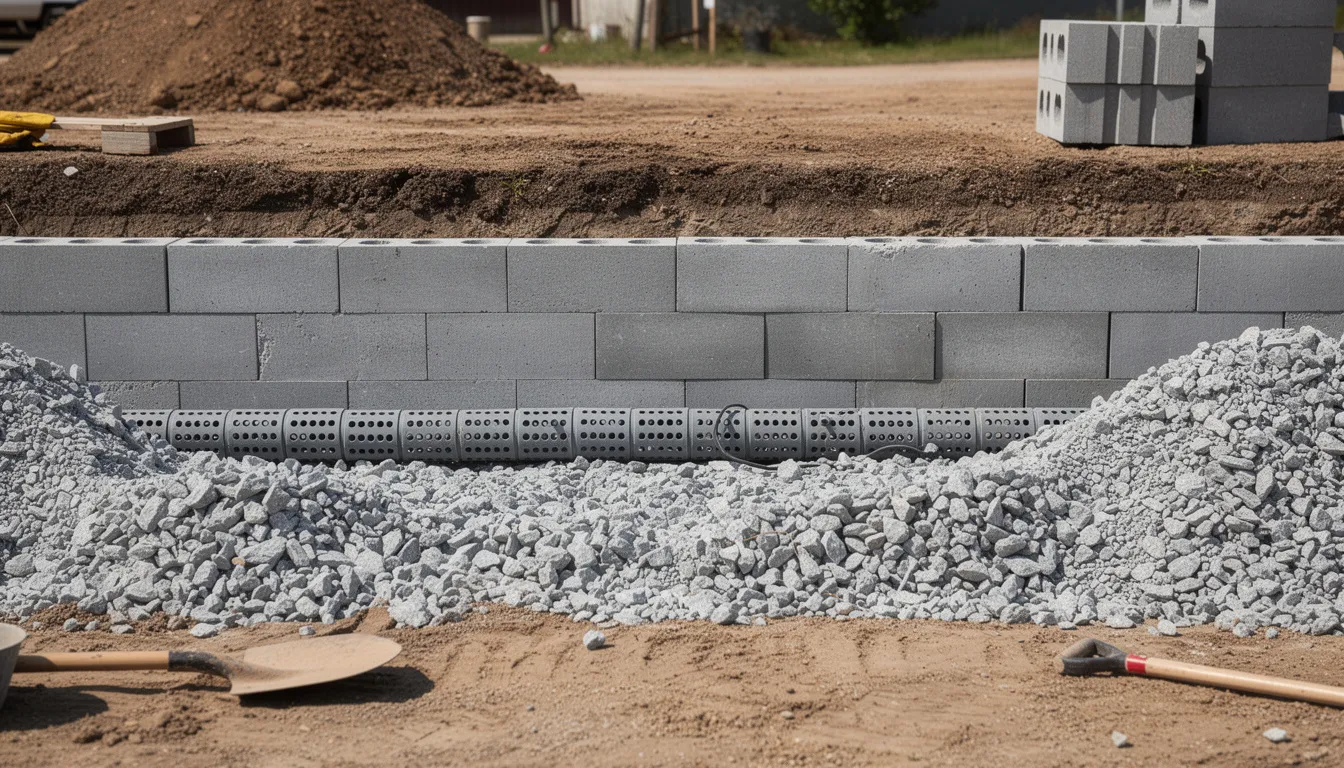
- Plan drainage requirements carefully—include scoria or gravel backfill, perforated drain coil, and clear outlets to manage water flow and prevent erosion
- Choose appropriate materials such as timber, concrete blocks, or gravity walls depending on your site conditions and aesthetic preferences
Working With Neighbours
- Have early conversations with neighbours when your wall is on or near a boundary
- Discuss access requirements during construction
- Address any concerns about drainage, shading, or visual impact before you start
When to Get Professional Input
Get at least informal advice from a qualified professional (builder, structural engineer, or geotechnical specialist) if:
- Your wall is close to the 1.5 metre maximum allowable height
- The site has soft, slumping, or clay ground
- There is visible cracking in existing paths, walls, or structures nearby
- You are unsure about drainage requirements or soil composition
Working with an Auckland Builder or Engineer
While smaller walls can be a DIY project, engaging an experienced Auckland builder or structural engineer reduces risk and can speed up council processes when consent is needed.
Benefits of Local Professionals
Working with Auckland-based professionals offers specific advantages:
- Familiarity with Auckland Council requirements for both building and resource consent
- Experience with local soil conditions, including volcanic, clay, and reclaimed land common across Auckland suburbs
- Ability to design walls that stay within the 1.5 metre consent-free envelope where appropriate, or provide compliant engineered solutions when taller walls are unavoidable
- Knowledge of construction methods suited to Auckland’s climate and seismic conditions
Selecting the Right Professional
When choosing a builder or engineer for your retaining wall project:
- Check qualifications—look for Licensed Building Practitioners (LBP) for builders or Chartered Professional Engineers (CPEng) for engineers
- Request examples of previous retaining wall jobs in suburbs similar to yours
- Confirm who will handle council paperwork if consent is required
- Get clear quotes that include design, construction details, drainage, and any required inspections
When Professional Input Is Essential
Professional design is especially valuable:
- On steep sites or sloped areas where soil pressure is higher
- Close to public roads or footpaths
- Where walls form part of a larger renovation or new build
- When the wall is retaining more than 1.5 metres or supporting any surcharge
Engaging professionals early often saves money compared to fixing costly mistakes after construction.
Common Mistakes Auckland Homeowners Make with Retaining Wall Rules
Many issues arise not from bad intentions, but from misunderstandings about the 1.5 metre rule and site-specific conditions. Here are the most common mistakes to avoid.
Typical Errors
- Assuming any wall under 1.5 metres is automatically exempt, even if it supports a driveway or building—surcharge loads change everything
- Measuring only the visible front face of the wall instead of the full retained ground height from footing to top of soil
- Ignoring drainage, leading to water buildup and premature wall failure in Auckland’s heavy rainfall (installing weep holes and adequate drainage is not optional)
- Building on a boundary without checking impacts on neighbour’s land or shared fences
- Failing to check for overlay zones that might trigger resource consent regardless of wall height
- Not considering long term durability of materials in Auckland’s wet, seismic environment
Consequences of Getting It Wrong
Getting the rules wrong can lead to serious consequences:
| Issue | Potential Outcome |
|---|---|
| Non-compliant wall discovered | Notice to Fix from Auckland Council |
| Retrospective consent required | Additional fees, engineering reports, delays |
| Unsafe or failing wall | Partial or full demolition at owner’s cost |
| Damage to neighbouring properties | Civil claims potentially exceeding $100,000 |
| Building Act breaches | Fines up to $200,000 |
Auckland Council issues over 500 enforcement notices annually for unpermitted earthworks. Non-compliant work can also affect insurance coverage, future building work approvals, and appear on LIM reports when you sell your property.
How to Avoid Mistakes
- Double-check key assumptions with Auckland Council or a qualified professional before starting
- Document your measurements and design decisions
- Take photos before, during, and after construction
- Keep records of drainage installation and materials used
Frequently Asked Questions (FAQs) About Retaining Walls in Auckland
Can choosing sustainable materials for retaining walls benefit the environment?
Yes, selecting sustainable materials for retaining walls can significantly reduce environmental impact. Sustainable options not only minimize ecological footprints but also enhance the natural aesthetics of your landscape, blending functionality with environmental responsibility.
How do retaining walls help protect natural landscapes and waterways?
Retaining walls play a vital role in preventing soil erosion and reducing sediment runoff into nearby waterways. By stabilizing soil on slopes and managing water flow, they help protect aquatic ecosystems from harmful sedimentation and maintain the integrity of natural landscapes.
Is there a height exemption for retaining walls in rural zones?
In many rural zones, the height exemption for retaining walls can extend up to 3 metres under specific conditions. This means that walls up to this height may not require building consent, provided they meet certain criteria such as not supporting additional loads and having proper drainage.
What are the consequences of building a retaining wall without the necessary consent?
Building a retaining wall without the required consent can lead to serious consequences. The wall may need to be modified or completely removed at the owner’s expense. Additionally, councils can issue fines and enforce compliance actions, which can be costly and time-consuming.
Why are regular inspections important for retaining walls?
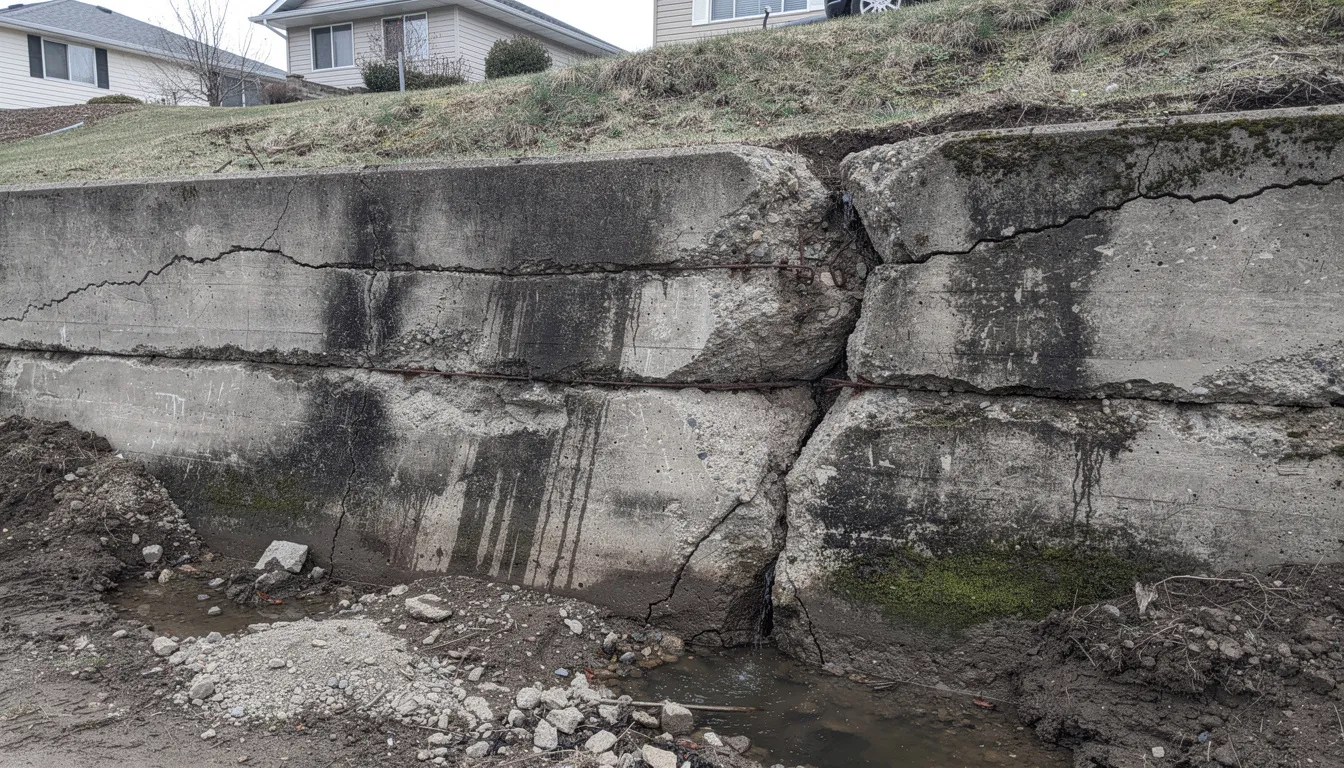
Regular inspections are crucial to identify early signs of trouble, such as leaning, bulging, or cracks. Early detection allows for timely repairs, preventing structural failure and extending the lifespan of the retaining wall.
When should I consult a qualified professional regarding my retaining wall?
Consulting a qualified professional is recommended to ensure your retaining wall meets all safety standards and complies with local regulations. Professionals can provide expert advice on design, materials, drainage, and structural integrity, helping to avoid costly mistakes and ensure long-term durability.
What risks do non-compliant retaining walls pose?
Non-compliant retaining walls can pose significant safety risks, including structural failure that may cause property damage or injury. Councils have the authority to enforce compliance, which can result in fines, orders to fix or remove the wall, and additional expenses.
What happens if I ignore the consent process for building a retaining wall?
Ignoring the consent process can lead to fines, project delays, and the need for costly adjustments or reconstruction. It is always best to follow the proper approval procedures to ensure your retaining wall project is legal and safe.
Can I apply for retrospective consent if my retaining wall was built without approval?
Retrospective consent allows property owners to apply for approval after the retaining wall has been constructed without prior consent. However, approval is not guaranteed and may involve additional inspections, modifications, or rebuilding to meet current standards.
How can a professional help ensure my retaining wall meets safety standards?
A qualified professional can assess your site conditions, design requirements, and material choices to ensure the retaining wall complies with safety regulations and building codes. Their expertise helps prevent retaining wall failure and ensures your project complies with all necessary standards.
These questions address related issues that often arise when planning a retaining wall in Auckland.
Does the 1.5m limit apply to each wall, or all walls on my property combined?
The 1.5 metre threshold applies to each individual retaining wall. However, Auckland Council may treat closely spaced tiered walls as a single system if they effectively retain more than 1.5 metres of ground overall.
If your terraced walls are positioned within about one to two times their height of each other, check with Council to confirm whether consent is needed. Multiple separate, low walls in different parts of a section are usually assessed individually, provided they are structurally independent and not functioning together to retain a larger slope.
How close to my boundary can I build a retaining wall in Auckland?
There is no single fixed distance that applies in all cases. Building hard on the boundary increases the risk of affecting neighbouring properties and may require engineering input and consent.
Walls right on or near the boundary should be carefully designed to avoid undermining fences, foundations, or drainage on the neighbour’s side. Legal agreements about ownership and maintenance may be required. Check your certificate of title for any existing boundary or retaining wall obligations, and consult Auckland Council if the wall is load-bearing or forms part of a shared boundary.
Do I need council approval to replace an existing failing retaining wall with a new one of the same height?
Like-for-like repairs under the same conditions may be exempt from building consent. However, substantial reconstruction, design changes, or increased height can trigger consent requirements.
If the original existing wall never met current Building Code standards, Auckland Council may require the replacement to be brought up to today’s requirements, potentially involving consent. Take photos, measure the existing wall carefully, and discuss the repair or rebuild with Council before starting—especially if the wall is near a boundary or supports a driveway or building.
What happens if I build a retaining wall in Auckland without the required consent?
Auckland Council can issue a Notice to Fix, require a structural engineer’s assessment, and in some cases demand partial or full demolition if the wall is unsafe or non-compliant.
Owners may need to apply for a Certificate of Acceptance or retrospective consent, which is often more complex and expensive than applying beforehand. The approval process for retrospective consent typically involves demonstrating the wall meets Building Code requirements—difficult if construction details were not documented.
Unresolved non-compliant work can affect insurance coverage, future building work approvals, and the eventual sale of your property, as it may appear on LIM reports.
Can I build a retaining wall myself, or must I use a licensed builder in Auckland?
Small, simple, consent-exempt retaining walls can be a DIY project, provided you are competent and follow good practice for foundations, drainage, and materials.
Once work becomes restricted building work—for example, part of a larger consented project, or where a wall is integral to the house structure like timber framed buildings—a Licensed Building Practitioner may need to carry out or supervise the work.
Even for DIY projects, getting design advice or a basic check from a professional is wise when you are close to the 1.5 metre limit, dealing with steep slopes or unstable soil conditions, or using unfamiliar construction methods. This small investment can prevent erosion issues, structural integrity problems, and costly repairs down the track.
Conclusion
Building a retaining wall in Auckland requires careful consideration of height limits, load conditions, and local regulations to ensure your project is safe, compliant, and durable. Generally, retaining walls up to 1.5 metres in height without surcharge do not require building consent, but specific site conditions and additional loads can change this. Proper drainage, adherence to the Building Code, and communication with your local council are essential steps to avoid costly mistakes and ensure structural integrity.
Always assess your site’s unique characteristics, including soil stability and slope, and seek professional advice when needed—especially for walls near the 1.5-metre threshold or on sloping ground. Engaging qualified builders or engineers can help navigate consent processes and design requirements, saving time and reducing risks.
By following these guidelines, you can create a retaining wall that not only enhances your outdoor space and usability but also protects neighbouring properties and complies with Auckland’s building and environmental standards. Prioritising safety and legal compliance will give you peace of mind and a long-lasting, functional retaining wall.