Branded slots pair familiar entertainment licences with modern video slot mechanics, placing recognisable characters and storylines on the reels. UK operators must verify every title carries the correct licence and age checks, yet the choice of game itself lies with the player. Gates of Olympus deposit bonus code illustrates how a non-branded title can still equal the visual polish and bonus complexity of licensed games, providing a direct comparison of what branded characters contribute or remove from the core experience. Knowing where branding helps and where it restricts enjoyment helps UK players choose whether to spin a licensed reel or remain with an original theme such as the Greek-myth slot.
Graphic Style and Acoustic Depth
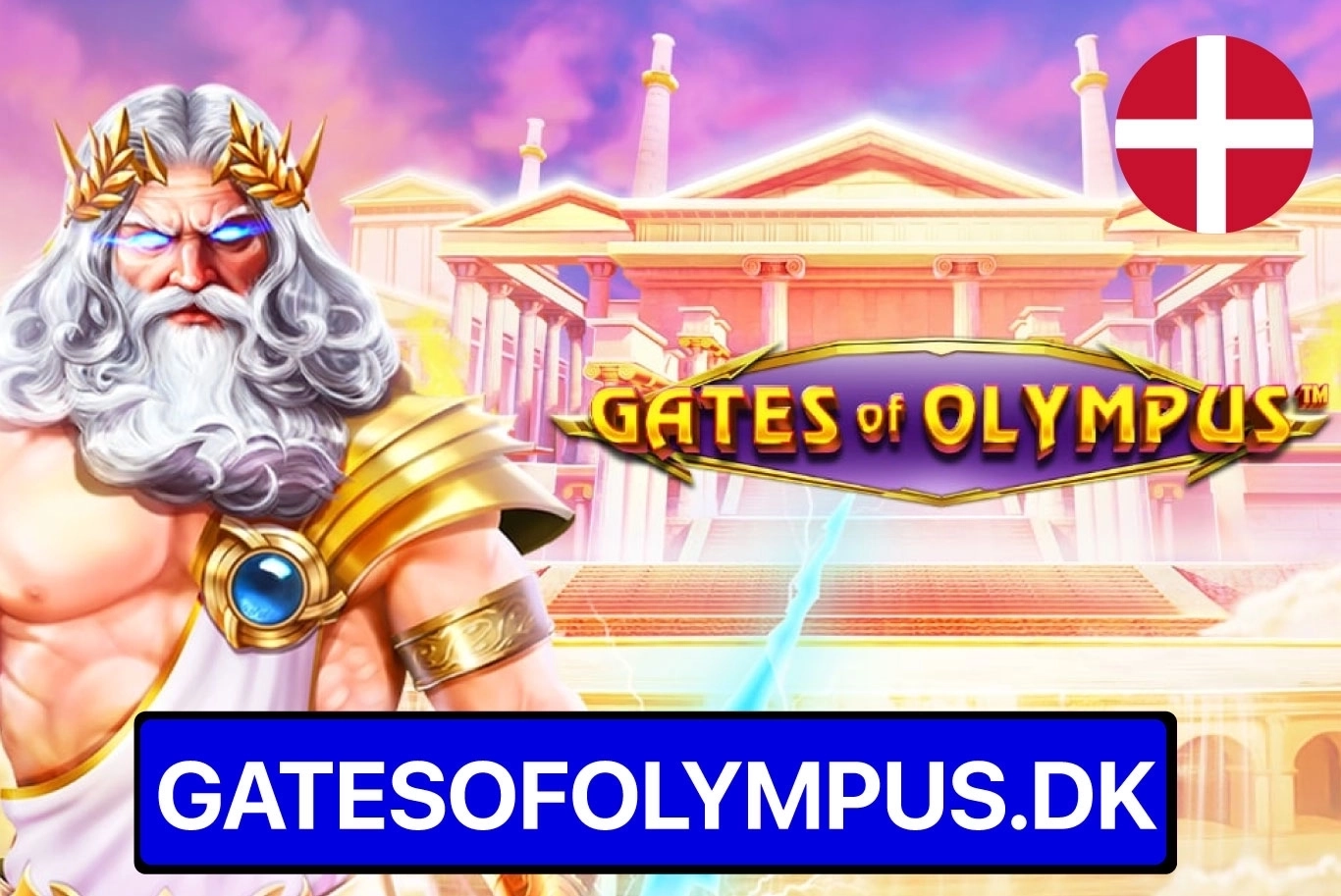
Branded slots start with visual standards drawn from film or television, so motion graphics, voice lines and audio loops match the source material. This match can raise engagement because players already feel an emotional connection to the personalities on screen before the first spin lands. Gates of Olympus creates its ambiance from original 3-D renders of Mount Olympus and an orchestral score that never tries to quote an existing movie. The difference matters when a player appreciates cinematic recognition over mythological invention; one path recycles known assets, the other allocates funds on new art.
Sound design also differs. Licensed soundtracks often insert distinctive motifs that play on big wins, boosting brand memory. An independent title such as Gates of Olympus uses melodic variation within an original composition, which avoids licensing costs but must still create suspense during free-spin sequences. Players who enjoy discovering fresh music may therefore gravitate to non-branded releases, whereas fans of a show’s original score might accept the occasional repetition that comes with licensed audio.
Selecting Between Brand Recognition and Design Authenticity
The choice depends on whether the player prioritises story familiarity or mechanical transparency. A branded slot provides instant context and marketing synergy, yet it may limit reel layout, multiplier height or stake granularity to serve the licence. Gates of Olympus illustrates that an unlicensed theme can still achieve high visual fidelity and competitive maths without external constraints, giving UK players a benchmark against which to evaluate any licensed alternative. Examining the information screen, analysing published RTP ranges and testing the bet selector in demo mode are the most reliable ways to ensure that a chosen title suits both budget and entertainment goals before real-money play begins.
Bet Range, Restrictions and Accessibility
Betting limits in the UK must follow the £2 maximum per spin on games that attract young audiences, yet most branded and non-branded adult titles still allow up to £20 or £50 per spin on desktop. Gates of Olympus displays a minimum of £0.20 and a maximum of £100 on many UK sites, giving high-rollers opportunity to chase the 5 000× cap. Branded slots occasionally introduce denomination locks that match the source material’s “era,” effectively narrowing the betting window and forcing players to change expectations before loading the game.
Session features such as reality checks and deposit limits exist outside the game code and apply uniformly, so the choice between branded and original content does not influence a player’s ability to set time or money reminders. The practical difference exists in how quickly a branded game’s higher average stake can breach those self-imposed ceilings if the player does not adjust the bet selector first.
Numerical Blueprint: RTP and Volatility
Return-to-player percentages in branded slots usually fall between 95.5 percent and 96.5 percent, matching the range found in Gates of Olympus. Volatility, however, can change: a superhero slot may lean toward medium-high variance to fit dramatic “hero moment” multipliers, while the Greek slot balances high volatility with frequent small line hits to keep the 6×5 grid active. UK players who review the information screen before committing funds can adjust their bankroll size to the documented variance rather than presume every licensed product behaves the same.
Hit frequency also influences session length. A branded game that links extra reels to plot events may reduce regular line hits in exchange of rarer but larger modifiers. Gates of Olympus spreads value across tumbles and multiplier orbs, producing a documented hit rate above 25 percent in the base game. Reviewing these figures helps a player forecast whether a branded slot’s maths will spread a £50 deposit across the desired number of spins or deplete it inside the opening bonus.
Reels, Rows and Ways & Ways to Win
Most licensed video slots use the 5×3 or 5×4 grid common to their release era, paying on 20 to 40 predetermined lines. Gates of Olympus expands the layout to a 6×5 grid that evaluates wins via a scatter-pays mechanism across 50 000 potential symbol combinations. The larger grid alters symbol distribution; five-of-a-kind combinations occur less often, yet the tumble feature recycles the identical reels without extra stake, effectively boosting the worth of each wagered spin.
Variable line options hardly ever appear in either camp because UK regulations restrict any stake that can be altered mid-feature. As a result, players compare actual cost per spin rather than listed line count. A branded 5×3 slot with twenty lines at £0.10 per line amounts to £2.00, whereas Gates of Olympus at the same coin value requires only £0.20 because every symbol can count. Grasping these design differences prevents surprises when a branded game shows a greater minimum bet despite less reels.
Reward Framework and Multiplier Capacity
Bonus rounds in branded slots often borrow signature moves from the licence, such as a protagonist collecting items that upgrade icons. These features lengthen the round but may also decrease multiplier ceilings if the structure must keep story balance. Gates of Olympus instead channels potential into Zeus multipliers that can reach to ×500 when successive spheres land on the same spot, creating memorable moments without outside story reasoning.
- Licensed free spins often include between five and twelve free games, with retriggers restricted to preserve game flow.
- Standalone slots like the Olympus title include re-triggers without upper limits, although real frequency remains controlled by the RNG.
- Both categories must publish their maximum win caps, usually 5 000× stake, yet themed games occasionally promote lower caps to fit franchise style rather than mathematical peaks.
Users who prefer transparent multiplier tables may therefore choose the simple paytable of a unlicensed release, while those who appreciate narrative surprises can accept the more segmented bonus structure of a franchise-based game.
Payout Systems and Sustained Appeal
Fixed jackpots exist within both categories, but themed titles sometimes link a progressive element to a series of movies or television seasons, creating a pooled prize that grows whenever any associated slot is played. Gates of Olympus offers only a fixed 5 000× top prize, removing the community element but also eliminating the dilution that happens when a significant share of each stake funds a far-off prize. Players chasing life-changing sums may therefore sample the progressive branded pool, whereas those focused on frequent moderate wins can estimate that the standalone game returns a greater percentage of total stakes through base-game tumbles.
Long-term value also depends on update cadence. Branded titles sometimes sit idle for years once the developer’s contract ends, whereas Gates of Olympus still receives incremental tweaks to animation timing and sound balancing. The missing updates in an ageing branded release can diminish the appeal, even if the official percentage remains unchanged.